Frequently asked questions
Is a deficiency list the same as a punch list?
In most Canadian contexts, yes — "deficiency list" and "punch list" describe the same document, with "deficiency" being the more formal term. Some contracts use "deficiency" for items that fail contract requirements and "punch" for smaller incomplete work, but the workflow and fields are identical.
How should contractor deficiencies be documented?
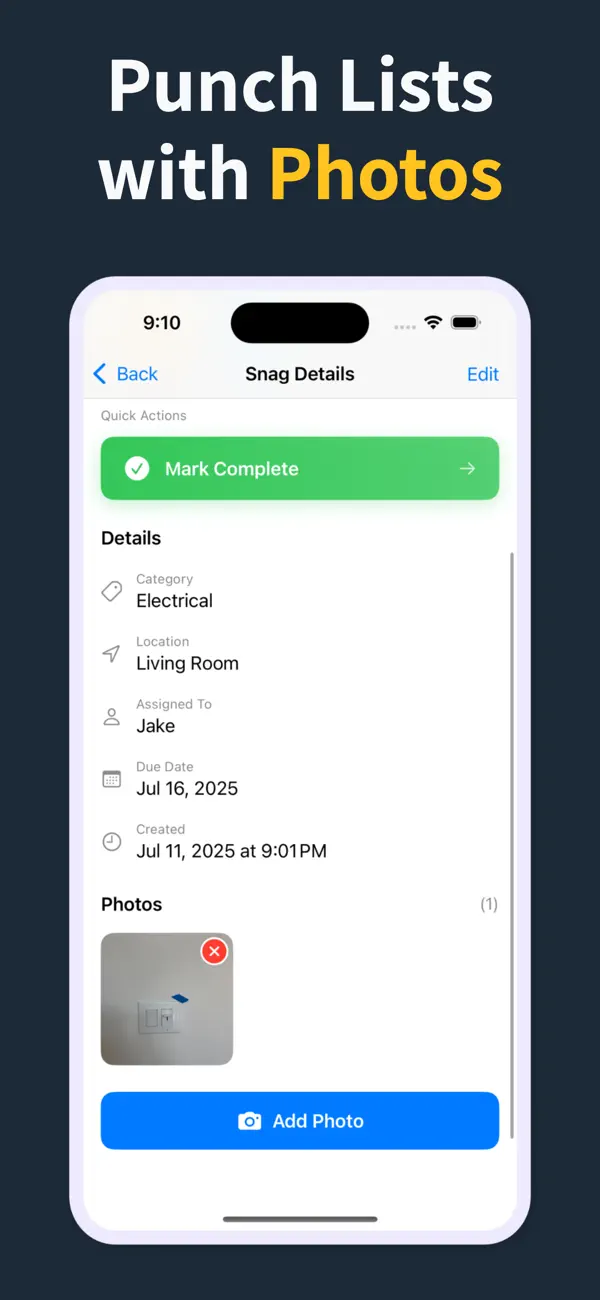
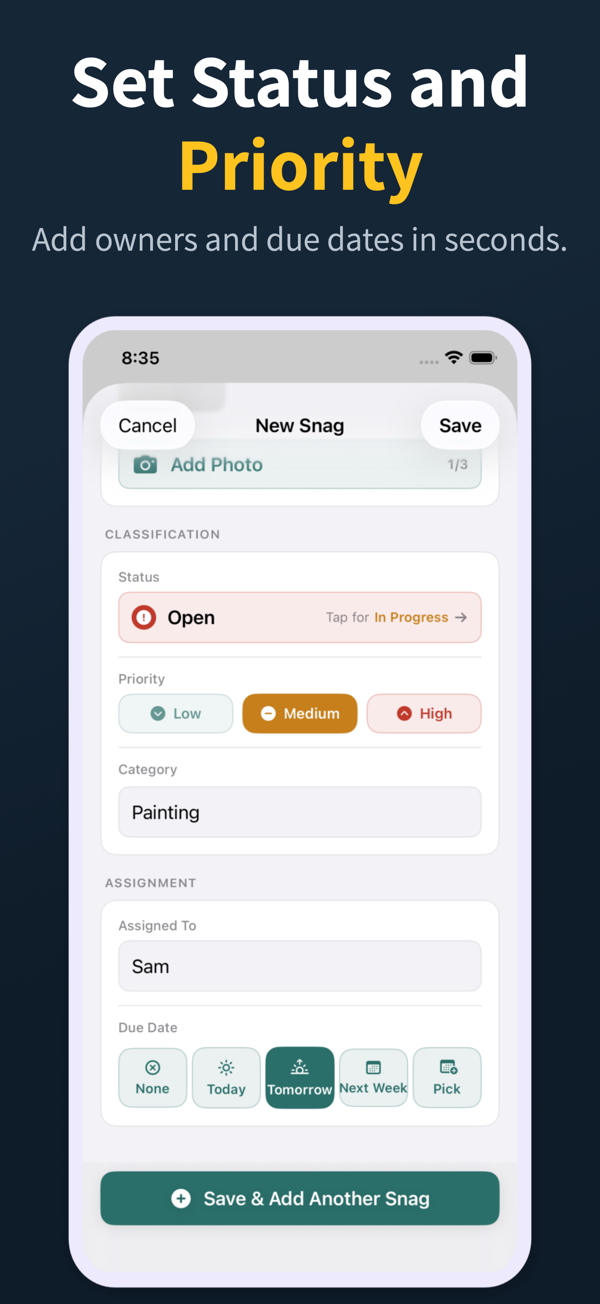
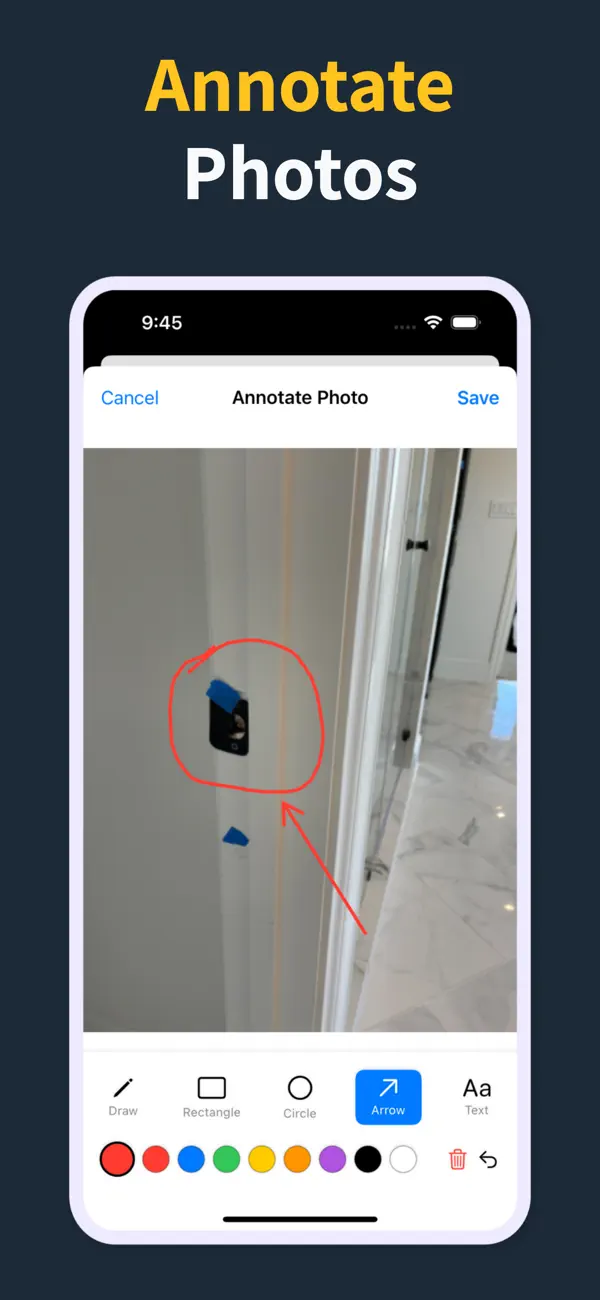
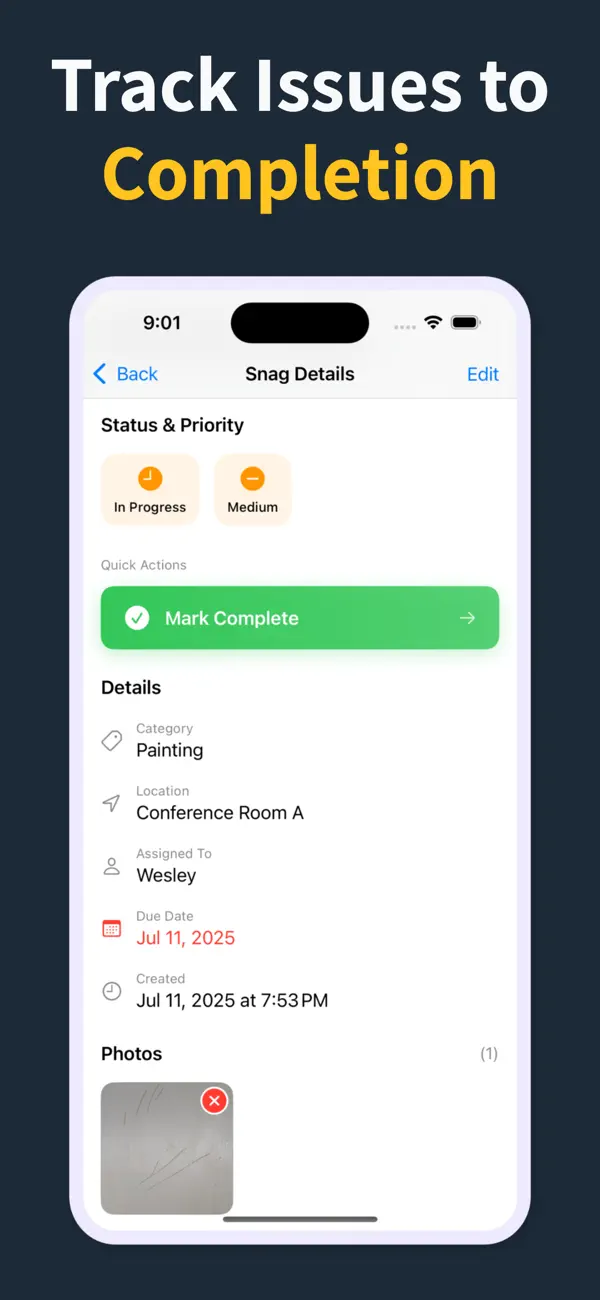
Each deficiency should include a dated photo, a specific location, a short description referencing the contract or specification it fails, the responsible trade, and a status tracked through to resolution. Timestamps and annotated photos prevent disputes.
Who tracks the contractor deficiency list?
The general contractor typically owns the list, but owners, architects, consultants, and building officials can add items. A single shared tool prevents duplicate lists and conflicting status updates across parties.
What happens if a contractor refuses to fix a deficiency?
Most contracts let the owner withhold holdback, hire another contractor to correct the work, or pursue formal dispute resolution. Photo-backed deficiency records are critical evidence in any of those paths.
What's the best app for tracking contractor deficiencies?
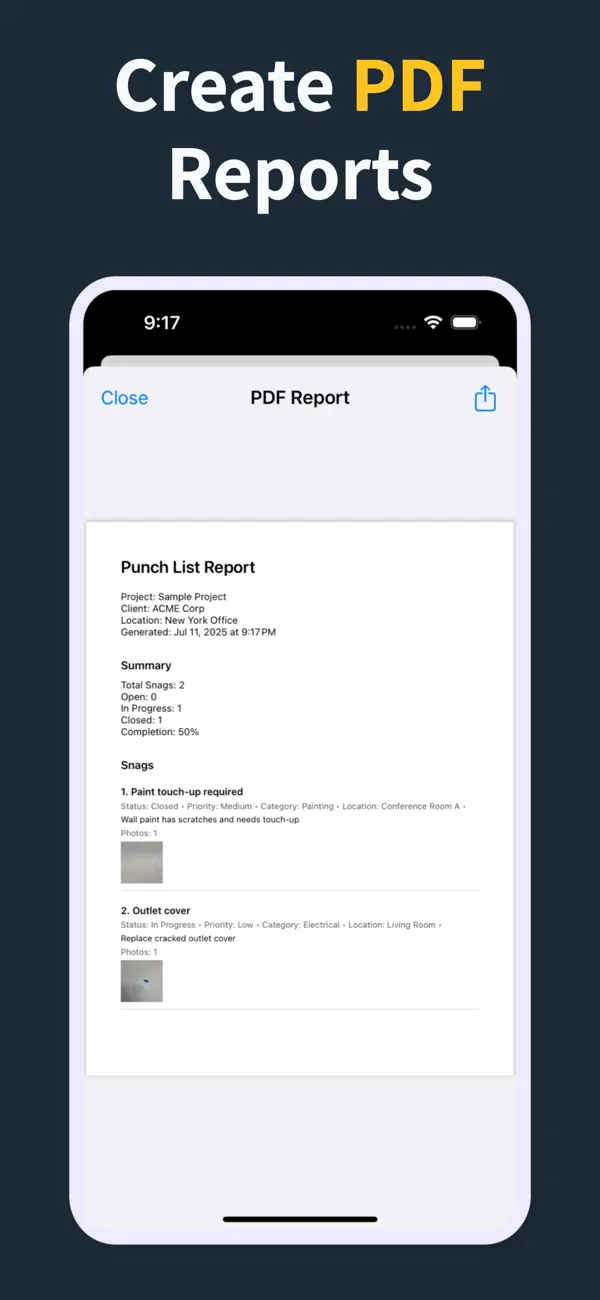
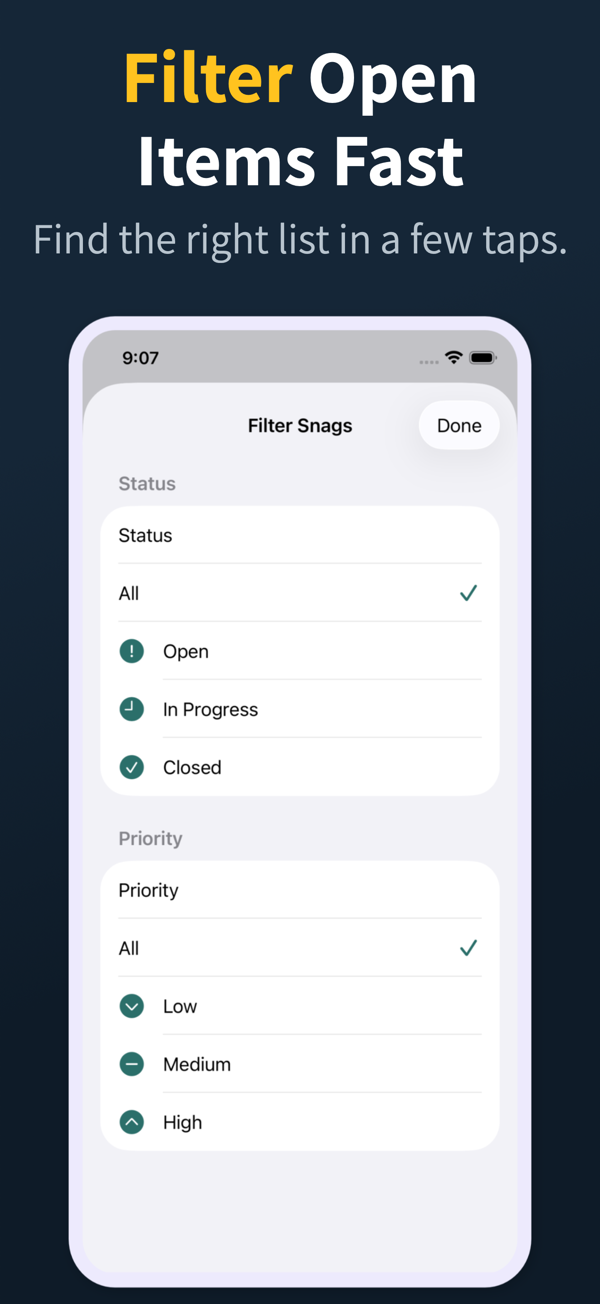
Punch List & Site Audit captures every deficiency with a photo, location, trade, and status, then generates the PDF report on the device. It works offline on iOS and produces a defensible record you can share with people who don't need an app login.